



CA Ⅱ
Carbonic Anhydrase II (CA II) is a cytosolic zinc metalloenzyme that catalyzes the reversible hydration of carbon dioxide to bicarbonate and a proton, a reaction central to acid-base homeostasis, carbon dioxide transport, and cellular pH regulation[1][2]. CA II is the best-characterized human carbonic anhydrase isoform and exhibits exceptionally high catalytic efficiency, making it a key regulator of bicarbonate-dependent physiological processes in erythrocytes, kidney, bone, eye, and other tissues[2][3]. Mechanistically, CA II supports bicarbonate transport and acidification pathways that are required for renal bicarbonate reabsorption and osteoclast-mediated bone resorption[1][4]. In disease settings, inherited CA II deficiency causes the autosomal recessive syndrome characterized by osteopetrosis, renal tubular acidosis, and cerebral calcification, providing direct genetic evidence for the essential role of this isoform in bone and renal physiology[4][5]. Compared with related carbonic anhydrase isoforms, CA II is distinguished by its broad tissue distribution, dominant catalytic activity, and well-established involvement in bicarbonate transport metabolons and vascular regulatory processes[3][6]. These characteristics have made CA II one of the most extensively studied experimental models for enzyme catalysis, structure-guided drug discovery, and inhibitor development[3][7]. Sulfonamide-based carbonic anhydrase inhibitors, including clinically used agents, bind the catalytic zinc center and have been widely employed to investigate CA II function and therapeutic modulation in disorders such as glaucoma and other bicarbonate-dependent pathologies[6][7].
References:
- [1]. Sly WS, et al. Carbonic anhydrase II deficiency identified as the primary defect in the autosomal recessive syndrome of osteopetrosis with renal tubular acidosis and cerebral calcification. Proc Natl Acad Sci U S A. 1983 May;80(9):2752-6. [Content Brief]
- [2]. Roy BC, et al. Two-prong inhibitors for human carbonic anhydrase II. J Am Chem Soc. 2004 Oct 20;126(41):13206-7. [Content Brief]
-
CA Ⅱ Related Products (118)
Related Products (118)

-
Recombinant Proteins (3)
-
Indisulam
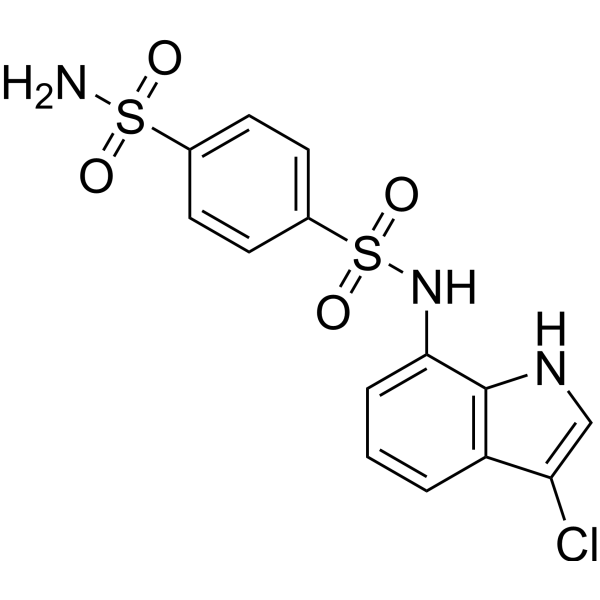 0 ImagesSynonyms: E 7070Indisulam (E 7070) is a carbonic anhydrase inhibitor and RBM39 molecular glue degrader, with Ki values of 31, 15, and 24 nM against human carbonic anhydrase I, II, and IX, respectively, and a Ki value of 65 nM against bovine carbonic anhydrase IV. Indisulam promotes the recruitment of RBM39 to the CUL4-DCAF15 E3 ubiquitin ligase complex, triggering polyubiquitination and proteasomal degradation of RBM39. Indisulam induces aberrant pre-mRNA splicing, G1 cell cycle arrest, and cell death in cancer cells. As an anticancer agent, Indisulam drives tumor regression and growth inhibition in xenograft models. Indisulam can be used in research related to solid tumors, hematologic and lymphoid malignancies, colorectal cancer, and non-small cell lung cancer.
-
Methazolamide
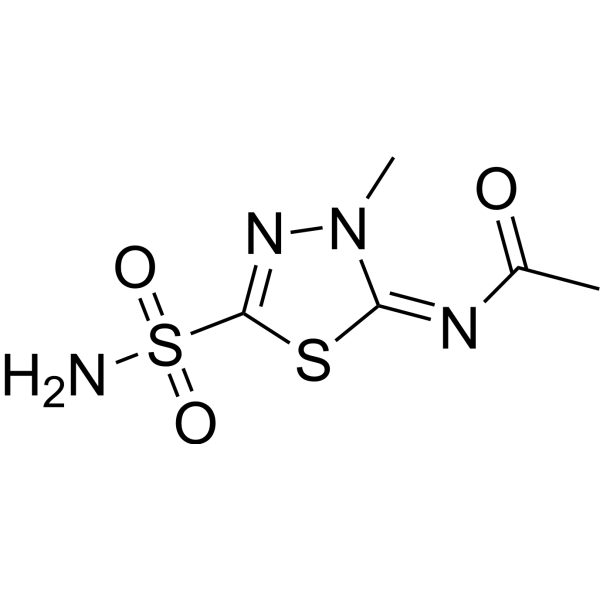 0 ImagesMethazolamide (L584601) is a BBB-penetrable and orally active carbonic anhydrase inhibitor, with a Ki of 14 nM for human carbonic anhydrase II. Methazolamide can reduce intraocular pressure and has a neuroprotective effect, being able to inhibit neuronal apoptosis. Methazolamide can be used in the research of ophthalmic diseases such as glaucoma and cerebrovascular diseases such as subarachnoid hemorrhage.
-
Zonisamide
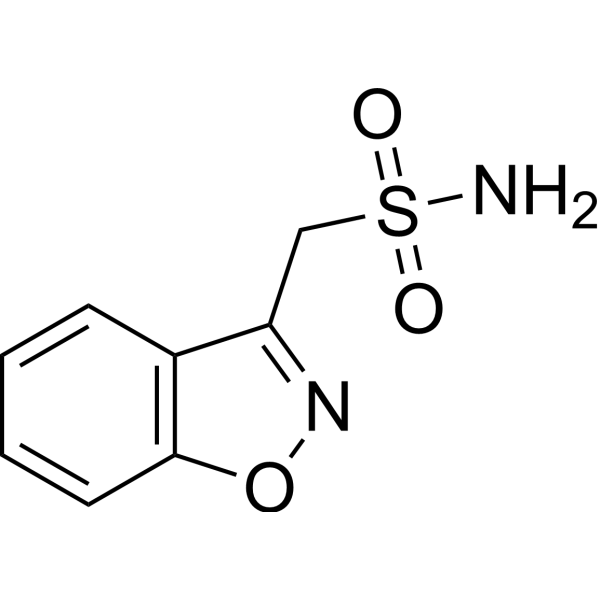 0 ImagesSynonyms: AD 810; CI 912Zonisamide (AD 810) is an orally active carbonic anhydrase inhibitor, with Kis of 35.2 and 20.6 nM for hCA II and hCA V, respectively. Zonisamide exerts neuroprotective effects through anti-apoptosis and upregulating MnSOD levels. Zonisamide also increases the expression of Hrd1, thereby improving cardiac function in AAC rats. Zonisamide can be used in studies of seizure, parkinson’s disease and cardiac hypertrophy.
-
Brinzolamide
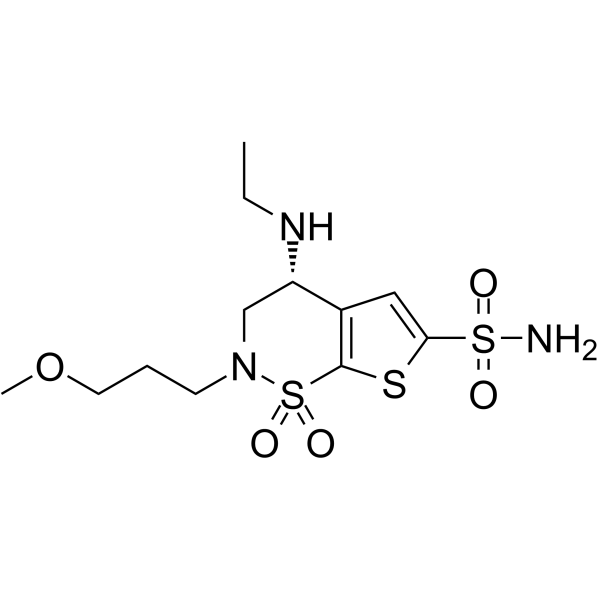 0 ImagesSynonyms: AL-4862Brinzolamide (AL-4862) is a selective carbonic anhydrase II inhibitor with anIC50 value of 3.2 nM. Brinzolamide hydrochloride reduces intraocular pressure (IOP) by inhibiting ciliary CA-II and decreasing atrial fluid secretion. Brinzolamide can be used in glaucoma disease research.
-
Dorzolamide hydrochloride
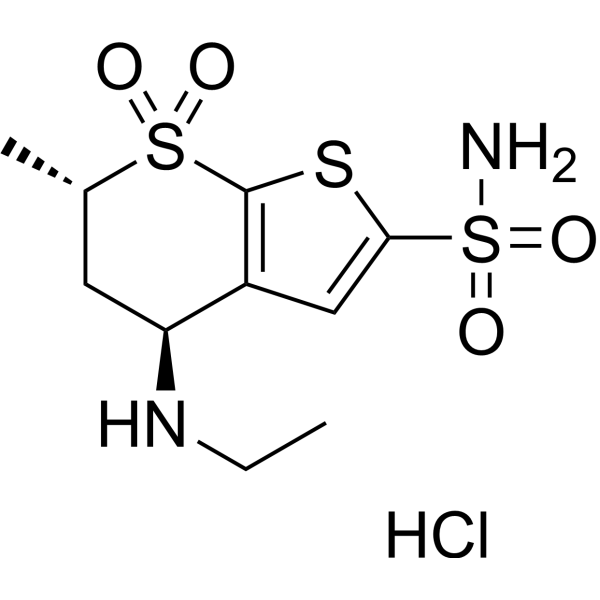 0 ImagesSynonyms: L671152 hydrochloride; MK507 hydrochlorideDorzolamide (L671152) hydrochloride is a potent carbonic anhydrase II inhibitor, with IC50 values of 0.18 nM and 600 nM for red blood cell CA-II and CA-I respectively. Dorzolamide possesses anti-tumor activity.
-
COX-2/CA II-2
 0 ImagesCat. No.: HY-184938COX-2/CA II-2 is an orally active dual selective inhibitor targeting COX-2 and hCA II. COX-2/CA II-2 inhibits COX-2 with an IC50 value of 0.05 μM (SI = 12.02 vs COX-1) and hCA II with a Ki value of 62.6 nM (SI = 704.2 vs hCA I). COX-2/CA II-2 demonstrates significant analgesic and anti-inflammatory effects with rapid onset and sustained duration in animal models, shows improved gastric safety with reduced ulcerogenic liability, and exhibits a gradual intraocular pressure (IOP)-lowering effect without statistical significance relative to the sham-treated eye in rabbit glaucoma models. COX-2/CA II-2 can be used for anti-inflammatory, analgesic and antiglaucoma research.
-
CAII-IN-15
 0 ImagesCat. No.: HY-183283CAII-IN-15 is a potent carbonic anhydrase II (CA II) inhibitor with a hCA II IC50 of 10 nM. CAII-IN-15 elevates cGMP levels, releases nitric oxide, reduces oxidative stress, and exhibits neuroprotective activity in vitro. CAII-IN-15 inhibits NLRP3 inflammasome activation, reduces neuronal apoptosis. CAII-IN-15 reduces Intraocular pressure (IOP) in rabbits. CAII-IN-15 can be used for the research of glaucoma.
-
Benzolamide
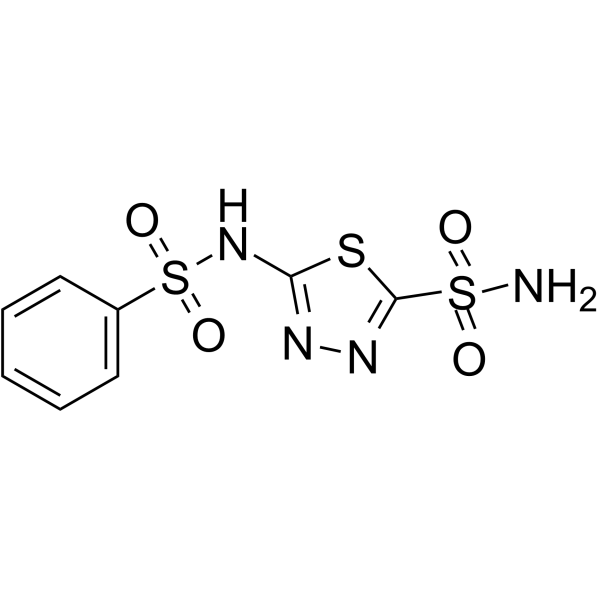 0 ImagesBenzolamide (CL11366) is a potent carbonic anhydrase (CA) inhibitor, with Kis of 15 nM, 9 nM, 94 nM and 78 nM for hCA I, hCA II, EcoCAγ and VchCAγ, respectively. Benzolamide also inhibits CAS3, with a Ki of 54 nM. Benzolamide can be used for the research of glaucoma and seizures.
-
TAS4464 hydrochloride
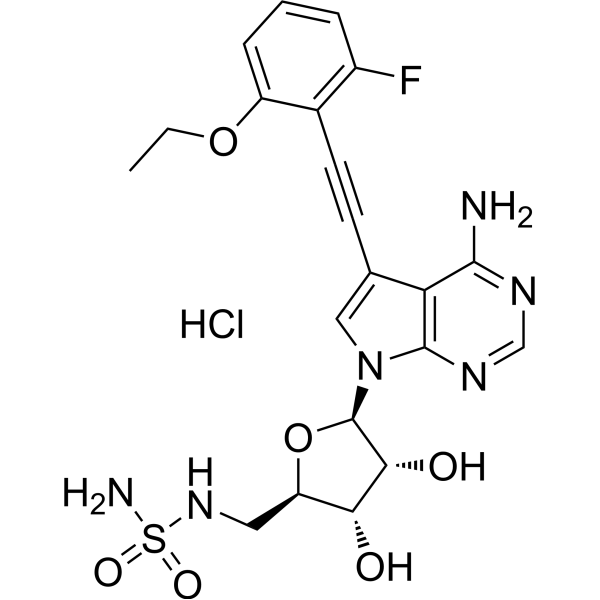 0 ImagesTAS4464 hydrochloride is a long-acting, highly selective covalent inhibitor targeting NEDD8-activating enzyme (NAE) (IC50=0.955 nM), and also inhibits CAII with an IC50 of 0.73 μM, which is less potent than MLN4924 (HY-70062). The IC50 values of TAS4464 hydrochloride against other E1 enzymes UAE and SAE are 449 nM and 1280 nM, respectively. TAS4464 hydrochloride targets NEDD8 in an ATP-dependent manner to inhibit NAE, blocks the neddylation pathway, causes accumulation of CRL ubiquitin ligase substrates (such as CDT1, p27, phosphorylated IκBα), and further induces tumor cell apoptosis. TAS4464 hydrochloride exhibits antiproliferative and cytotoxic effects, and has broad-spectrum antitumor activity against various hematologic and solid tumor cell lines as well as patient-derived tumor cells. TAS4464 hydrochloride has a wide therapeutic window, without obvious toxicity. TAS4464 hydrochloride can be used in the research of hematologic malignancies (leukemia, lymphoma, multiple myeloma, etc.) and solid tumors (small cell lung cancer, colorectal cancer, sarcoma, endometrial cancer, ovarian cancer, etc.).
-
Benzenesulphonamide
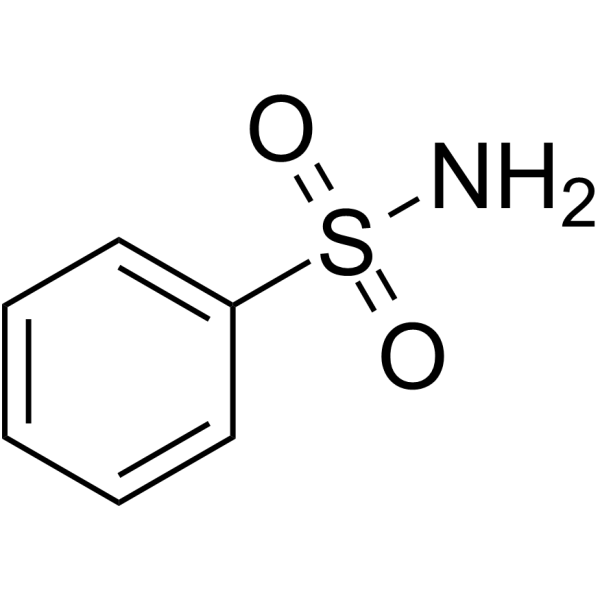 0 ImagesBenzenesulphonamide (Compound 1) is a carbonic anhydrase inhibitor. Benzenesulphonamide exhibits CA II inhibitory activity. Benzenesulphonamide reduces ROS and improves the gene expression of amyloid-β40 and 42. Benzenesulphonamide is beneficial for Alzheimer's disease. Benzenesulphonamide derivatives have anticancer, anti-inflammatory, and anticonvulsant activities. Benzenesulphonamide can be used in the research of Alzheimer's disease, epilepsy, inflammatory diseases, leukemia, melanoma, lung cancer, and colon cancer.
-
Carzenide
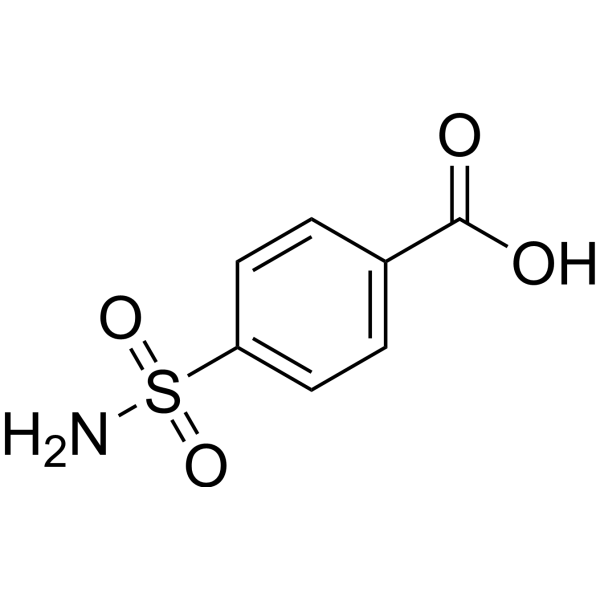 0 ImagesCarzenide (4-Sulfamoylbenzoic acid) is the major circulating metabolite of Mafenide (HY-B0614) in plasma. Carzenide is a strong CAII competitive inhibitor. Carzenide can be used in the research of epilepsy and cervical cancer.
-
Halazone
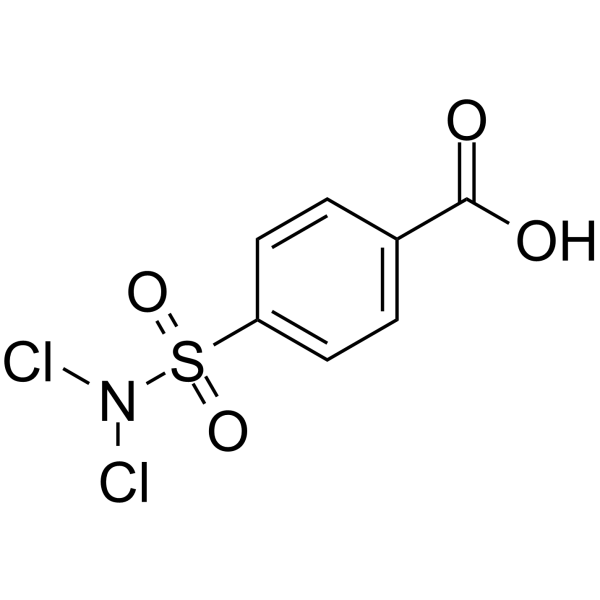 0 ImagesHalazone is an atypical antimicrobial sulfonamide derivative and a carbonic anhydrase II inhibitor with a Kd value of 1.45 μM. Halazone protects sodium channels from inactivation. Halazone is widely used for disinfection of drinking water.
-
4-Chloro-3-sulfamoylbenzoic acid
 0 Images4-Chloro-3-sulfamoylbenzoic acid is a weak inhibitor of human carbonic anhydrase isoforms hCA I, hCA II, hCA IV, and hCA IX, and a synthesis intermediate for carbonic anhydrase inhibitors. 4-Chloro-3-sulfamoylbenzoic acid is the major metabolite of tripamide detected in tissues, urine, and feces of rats and rabbits following Tripamide (HY-106570) administration. 4-Chloro-3-sulfamoylbenzoic acid can be used for the study of carbonic anhydrase inhibition and species differences in drug metabolism.
-
Zonisamide-d4
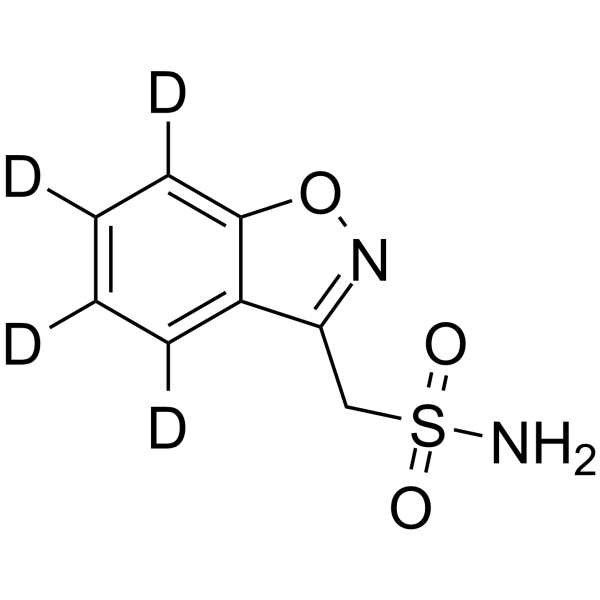 0 ImagesZonisamide-d4 is the deuterium labeled Zonisamide. Zonisamide (AD 810) is an inhibitor of zinc enzyme carbonic anhydrase (CA), with Kis of 35.2 nM and 20.6 nM for human mitochondrial isozyme hCA II and hCA V, respectively. Zonisamide has antiepileptic activity. Zonisamide can be used for the rsearch for epilepsy, seizures and Parkinson's disease.
-
Carbonic anhydrase inhibitor 2
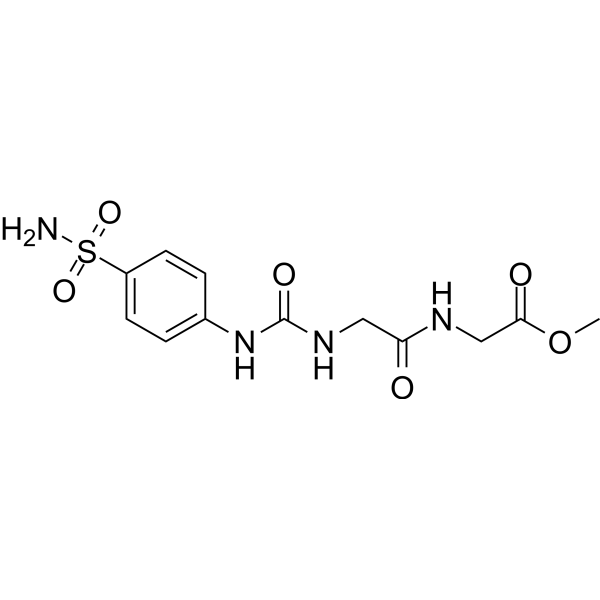 0 ImagesCarbonic anhydrase inhibitor 1 (compound 7c) is a carbonic anhydrase II inhibitor. Carbonic anhydrase inhibitor 3 reduces the intraocular pressure in glaucomatous rabbits.
-
hCAIX-IN-18
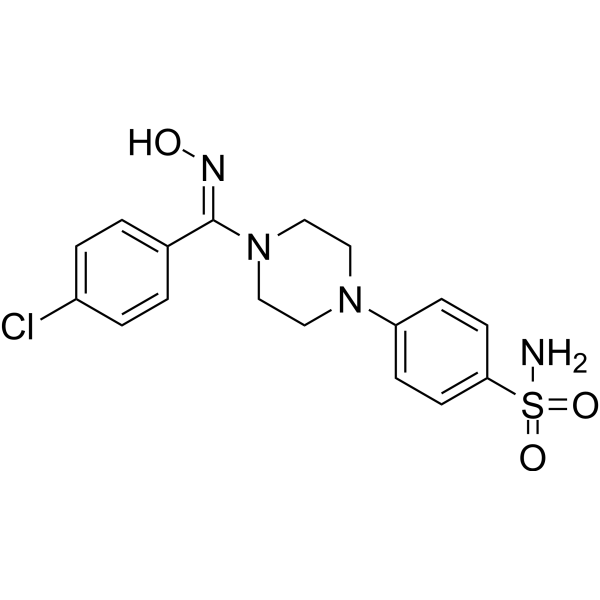 0 ImagesCat. No.: HY-149301CAS No.: 2925261-76-1hCAIX-IN-18 (compound 30) is an inhibitor of carbonic anhydrase (CA), with Kis of 3.5 nM, 9.4 nM, 43.0 nM and 8.2 nM for hCAI, hCAII, hCAIX, hCAXII, respectively. hCAIX-IN-18 can be used for cancer research.
-
GZ22-4
 0 ImagesCat. No.: HY-D2345Purity: 99.37%GZ22-4 is a near-infrared (NIR) fluorescent probe. GZ22-4 shows high affinity for carbonic anhydrase IX (CAIX), with a Kd of 0.2 nM. GZ22-4 can be used for the research of visualize CAIX-positive tumors.
-
Fluorometholone acetate
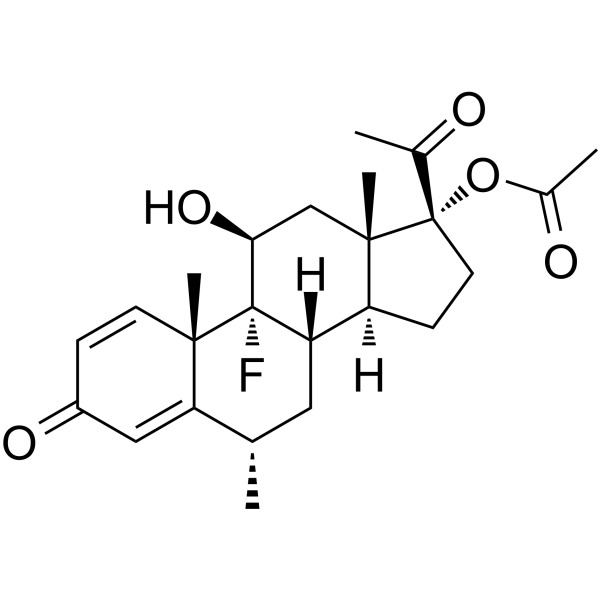 0 ImagesFluorometholone acetate is a synthetic glucocorticoid corticosteroid and a corticosteroid ester. Fluorometholone acetate potently inhibits carbonic anhydrase (CA) with IC50s of 2.18 μM and 17.5 μM for hCA-I and hCA-II, respectively. Fluorometholone acetate has anti-inflammatory effect and has the potential for external ocular inflammation research.
-
EMAC10101d
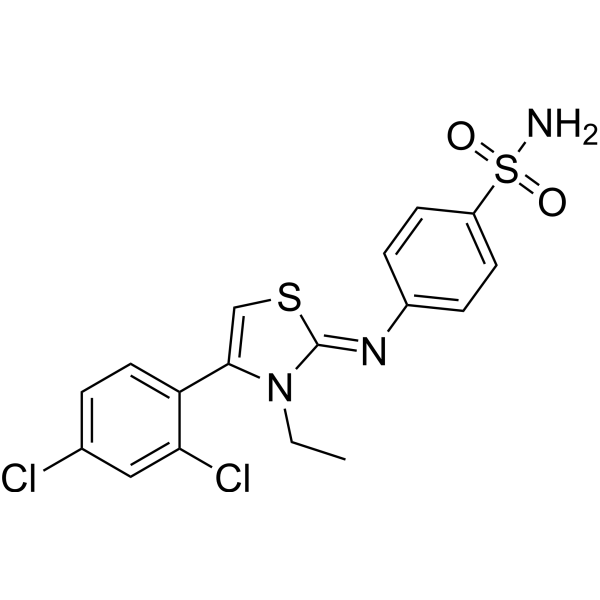 0 ImagesEMAC10101d is a potent and selective toward hCA II inhibitor, with a Ki of 8.1 nM.
-
Enpp/Carbonic anhydrase-IN-1
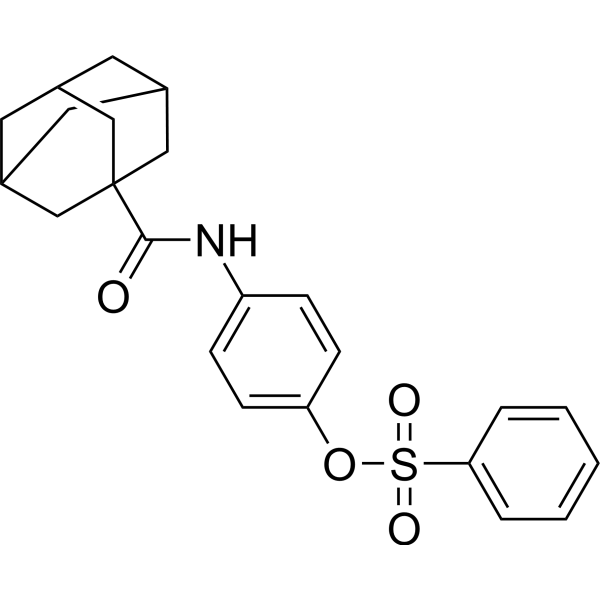 0 ImagesEnpp/Carbonic anhydrase-IN-1 (compound 1e) is a potent Enpp and carbonic anhydrase inhibitor with IC50s of 1.36, 1.35, 3.00, 0.88, 1.02 μM for NPP1, NPP2, NPP3, CA-II, CA-IX respectively. Enpp/Carbonic anhydrase-IN-1 shows antiproliferative activity for cancer cells and low cytotoxic against normal cells. Enpp/Carbonic anhydrase-IN-1 induces Apoptosis.




